Drone
Drones are transforming agriculture by enabling efficient crop spraying, monitoring, and planting. They help farmers access hard-to-reach areas and provide a bird’s-eye view of their fields, saving time and improving yield.
Real-Time Crop Monitoring
With real-time crop monitoring, farmers can use drones equipped with advanced cameras and sensors to track crop health and growth stages. This ensures early detection of diseases, pests, and other issues, allowing timely interventions.
Precision Agriculture
Precision agriculture (PA) is a farming management approach that uses advanced technologies to monitor, measure, and optimize agricultural processes. By applying data-driven insights, precision agriculture enhances productivity, reduces waste, and promotes sustainable practices.
Resource Management
By leveraging drones, farmers can efficiently manage resources such as water and soil. Aerial imaging and analysis help pinpoint areas of inefficiency, leading to smarter irrigation strategies and sustainable farming practices.
Farming as a Service
Land
Access to suitable land is essential for farming as a service, as it provides the foundation for efficient and productive agricultural practices.
01
Leasing Land to
Farmers
This model allows farmers to lease land for a specific period, providing them with access to arable land without the need for long-term ownership. This approach can help reduce the financial burden on farmers and increase crop yields.
02
Fractional Ownership Models
Fractional ownership models enable multiple individuals or organizations to own a portion of a farm, allowing for shared risk and reward. This approach can help increase investment in agriculture and promote sustainable farming practices.
03
Government and Partnerships
Collaborations between governments, private companies, and non-profit organizations can help drive innovation in farming as a service. These partnerships can provide access to funding, expertise, and resources, ultimately leading to more efficient and sustainable farming practices.
01
Leasing Land to
Farmers
This model allows farmers to lease land for a specific period, providing them with access to arable land without the need for long-term ownership. This approach can help reduce the financial burden on farmers and increase crop yields.
02
Fractional Ownership Models
Fractional ownership models enable multiple individuals or organizations to own a portion of a farm, allowing for shared risk and reward. This approach can help increase investment in agriculture and promote sustainable farming practices.
03
Government and Partnerships
Collaborations between governments, private companies, and non-profit organizations can help drive innovation in farming as a service. These partnerships can provide access to funding, expertise, and resources, ultimately leading to more efficient and sustainable farming practices.
01
Leasing Land to
Farmers
This model allows farmers to lease land for a specific period, providing them with access to arable land without the need for long-term ownership. This approach can help reduce the financial burden on farmers and increase crop yields.
02
Fractional Ownership Models
Fractional ownership models enable multiple individuals or organizations to own a portion of a farm, allowing for shared risk and reward. This approach can help increase investment in agriculture and promote sustainable farming practices.
03
Government and Partnerships
Collaborations between governments, private companies, and non-profit organizations can help drive innovation in farming as a service. These partnerships can provide access to funding, expertise, and resources, ultimately leading to more efficient and sustainable farming practices.
Farming as a Service
Technology
The integration of technology in farming as a service is crucial for increasing efficiency and reducing costs.
01
Precision Agriculture
Precision agriculture involves the use of advanced technologies such as drones, satellite imaging, and IoT sensors to optimize crop yields and reduce waste. This approach can help farmers make data-driven decisions and improve their overall productivity.
02
Farm Management Software
Farm management software provides farmers with a platform to manage their operations, track finances, and monitor crop health. This software can help farmers streamline their operations and make more informed decisions.
03
Artificial Intelligence and Machine Learning
The application of artificial intelligence and machine learning in farming as a service can help farmers predict and prevent crop diseases, detect pests, and optimize irrigation systems. This approach can help farmers reduce costs and improve crop yields.
01
Precision Agriculture
Precision agriculture involves the use of advanced technologies such as drones, satellite imaging, and IoT sensors to optimize crop yields and reduce waste. This approach can help farmers make data-driven decisions and improve their overall productivity.
02
Farm Management Software
Farm management software provides farmers with a platform to manage their operations, track finances, and monitor crop health. This software can help farmers streamline their operations and make more informed decisions.
03
Artificial Intelligence and Machine Learning
The application of artificial intelligence and machine learning in farming as a service can help farmers predict and prevent crop diseases, detect pests, and optimize irrigation systems. This approach can help farmers reduce costs and improve crop yields.
01
Precision Agriculture
Precision agriculture involves the use of advanced technologies such as drones, satellite imaging, and IoT sensors to optimize crop yields and reduce waste. This approach can help farmers make data-driven decisions and improve their overall productivity.
02
Farm Management Software
Farm management software provides farmers with a platform to manage their operations, track finances, and monitor crop health. This software can help farmers streamline their operations and make more informed decisions.
03
Artificial Intelligence and Machine Learning
The application of artificial intelligence and machine learning in farming as a service can help farmers predict and prevent crop diseases, detect pests, and optimize irrigation systems. This approach can help farmers reduce costs and improve crop yields.
Farming as a Service
Sustainability
Sustainability is a critical aspect of farming as a service, as it ensures that farming practices are environmentally friendly and socially responsible.
01
Organic Farming
Organic farming involves the use of natural methods to control pests and diseases, reducing the need for synthetic chemicals. This approach can help promote soil health, conserve water, and reduce the environmental impact of farming.
02
Regenerative Agriculture
Regenerative agriculture involves the use of practices that promote soil health, biodiversity, and ecosystem services. This approach can help sequester carbon, reduce greenhouse gas emissions, and promote sustainable farming practices.
03
Fair Labor Practices
Fair labor practices involve the treatment of farm workers with dignity and respect, providing them with fair wages and safe working conditions. This approach can help promote social responsibility and ensure that farming practices are sustainable and equitable.
01
Organic Farming
Organic farming involves the use of natural methods to control pests and diseases, reducing the need for synthetic chemicals. This approach can help promote soil health, conserve water, and reduce the environmental impact of farming.
02
Regenerative Agriculture
Regenerative agriculture involves the use of practices that promote soil health, biodiversity, and ecosystem services. This approach can help sequester carbon, reduce greenhouse gas emissions, and promote sustainable farming practices.
03
Fair Labor Practices
Fair labor practices involve the treatment of farm workers with dignity and respect, providing them with fair wages and safe working conditions. This approach can help promote social responsibility and ensure that farming practices are sustainable and equitable.
01
Organic Farming
Organic farming involves the use of natural methods to control pests and diseases, reducing the need for synthetic chemicals. This approach can help promote soil health, conserve water, and reduce the environmental impact of farming.
02
Regenerative Agriculture
Regenerative agriculture involves the use of practices that promote soil health, biodiversity, and ecosystem services. This approach can help sequester carbon, reduce greenhouse gas emissions, and promote sustainable farming practices.
03
Fair Labor Practices
Fair labor practices involve the treatment of farm workers with dignity and respect, providing them with fair wages and safe working conditions. This approach can help promote social responsibility and ensure that farming practices are sustainable and equitable.
Research & Partnerships
Our Impact, In Their Words
Emily Doe
Agriculture
Farm Manager
I was skeptical about using drones to monitor my crop health, but it's been a total game-changer. I can now identify issues before they become major problems, and my yields have increased by 15%.
Fatmabirar Jepchia
Farm Hand
Operations Manager
Implementing precision irrigation systems has not only saved us water, but also reduced our energy costs by 30%. It's amazing to see how technology can make such a big impact on our bottom line
James Joplin
Agriculture AFrika
Owner
Our farm's adoption of AI-powered crop prediction tools has allowed us to make data-driven decisions about planting, harvesting, and pricing. It's given us a competitive edge in the market and helped us stay ahead of the curve.
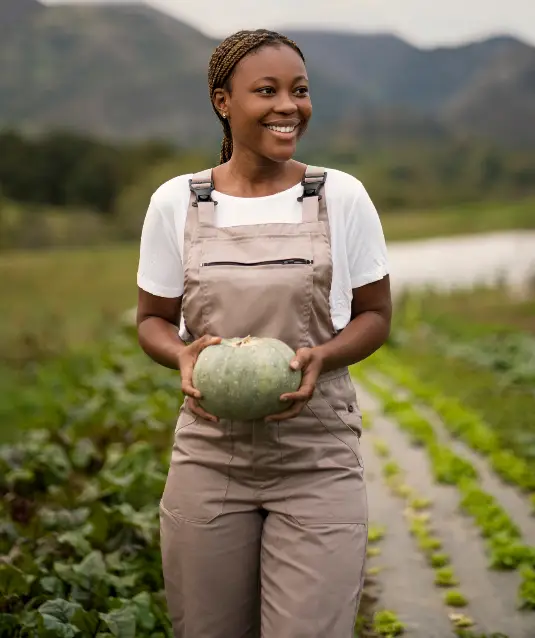
Empowering Women
Fostering Growth and Opportunity for Women